Living with discomfort that lasts long after an injury has healed is not a condition you simply have to accept. Relying on continuous anti-inflammatory medications only covers up your symptoms while leaving underlying movement dysfunctions completely unaddressed.
Breaking the Cycle of Central Sensitization
Pain does not always disappear at the same time as an injury heals. For some people, discomfort can continue for months and start affecting simple things such as walking, working, exercising or even getting a good night’s sleep.
When this happens, people sometimes become worried about certain movements because they expect them to hurt. They may stop exercising, avoid particular activities or move differently without even noticing it.
This is where a
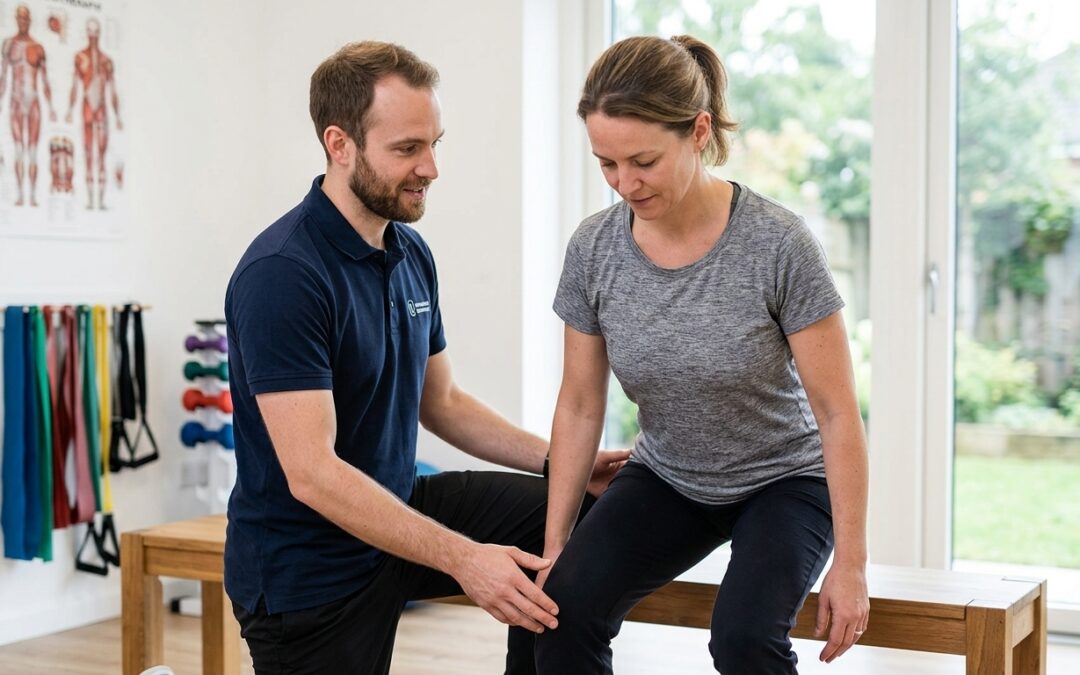
chronic pain physio may be able to help. During the session, the physio may ask you to do a few movements and explain which ones have been bothering you. They may also ask what you normally do at work or at home and when the pain tends to show up.
Long-lasting pain isn’t always straightforward. Two people can feel pain in the same area but have very different experiences with it. The nervous system can also play a part in how pain is experienced, which is why you may hear the term central sensitization during discussions about persistent pain. Still, this doesn’t mean it is the explanation for every case.
What happens next will depend on what the physio finds during the assessment. You might talk about the pain first, try some movements or start with a few manageable exercises. From there, the program can be changed little by little depending on how things are going.
Targeted Exercise for Gradual Progress
After months of dealing with pain, jumping straight back into the same workout you used to do may feel like too much.
Say you used to squat regularly but stopped after your knee began hurting. If you haven’t done it for quite a while, you probably wouldn’t start again using the exact same weight as before.
The physio might first ask you to try an easier version and see how it feels. The exercise can then be changed gradually as strength, confidence and movement improve.
This is one reason exercise programs for persistent pain are usually based on the individual rather than using exactly the same routine for everyone.
Depending on the assessment, a program might involve strength exercises, mobility work, balance exercises or movements related to a person’s normal activities.
Progress may also be gradual. You might feel okay doing something one day and find the same activity more difficult another day. If that happens, the exercises can be reviewed instead of simply pushing through them.
You can read more about the treatments available on our Physiotherapy Services page if you want to see what else may be included in a rehabilitation program.
Understanding What Affects Your Pain
Pain can also change depending on what you’ve been doing that day.
Maybe your back starts bothering you after spending most of the day at your desk. For someone else, the problem might show up after they’ve been on their feet for too long.
Things like this are worth mentioning during your appointment. What happens outside the clinic can tell the physio a lot about which activities are giving you trouble.
You may be asked about your usual routine as well. This could include your job, the exercise you normally do, old injuries or certain movements you’ve stopped doing because they hurt.
From there, you and the physio have a better idea of what you actually want to get back to doing.
If you spend most of your day in an office, your goal might simply be getting through work more comfortably. If you used to be active, it could be getting back to running, going to the gym or doing the sport you stopped because of the pain.
Reclaiming Daily Functional Independence
Exercises in the clinic are only one part of it. What you can manage during your normal day matters too.
Even really ordinary things can become annoying when you’ve been in pain for a while. Getting up from the sofa, taking the stairs, carrying your shopping or picking something up from the floor are good examples.
Persistent pain can make these ordinary movements feel much more difficult.
A rehabilitation program can therefore include movements that are connected to the person’s actual routine. Someone who needs to lift objects at work, for example, may practice suitable lifting movements as part of their rehabilitation. Another person may focus more on walking or movements needed for household activities.
The exercises do not necessarily have to be complicated. What matters is that they are appropriate for the person’s current ability and rehabilitation goals.
At later sessions, the physio can check how you’ve been getting on with the exercises. If something feels too difficult or too easy, it can be changed from there.
Progress Can Look Different for Everyone
You might have a good week and then suddenly have a day where the pain bothers you more again.
That doesn’t necessarily mean you’re back at the beginning. Tell your physio what happened, especially if you noticed the pain after doing something different or being more active than usual.
It can also help to notice the small things that have become easier compared with a few weeks ago.
Maybe you’re walking further than before, sitting at work for longer without needing a break, or you’ve started doing something you previously avoided. These everyday changes can be useful when reviewing how rehabilitation is going.
Conclusion
Living with pain for several months can affect much more than one part of the body. It may change the way you exercise, work and carry out normal activities.
A chronic pain physio assessment can help identify the movements and activities that are currently difficult and provide a starting point for rehabilitation. Depending on the individual, treatment may include education, exercise and gradual practice of everyday movements.
What works for one person may not be suitable for someone else. That’s why the exercises and goals can be different from one patient to another.
If pain has been making your normal routine difficult, you can speak with the team at
Physio ProLife about it. They can assess what’s been bothering you and talk through the physiotherapy options that may suit your situation.